
Gen Z Revolutions Across the Globe
It’s not just South Asia—Sri Lanka, Bangladesh and Nepal—that are seeing Gen Z youth protest political corruption and economic inequality; it’s happening around the world. Gen Z youth are leading uprisings in many countries; Morocco, Madagascar the Philippines, Indonesia, Serbia, Kenya, Paraguay, and Peru.
The next question is obvious: when is the Gen Z youth uprising going to start in the United States?
This article from CBC News provides more detail:
Gen-Z protests are spreading globally. What’s driving this youth-led movement? The specific grievances differ, but there are common threads
Natalie Stechyson · CBC News · Posted: Oct 03, 2025 3:39 PM EDT | Last Updated: 4 hours ago

For a time, people called 2019 “the year of the protest,” as civil unrest flooded streets from Hong Kong to Egypt. Before that, it was 2011, marked by Occupy Wall Street and the Arab Spring‘s pro-democracy uprisings in the Middle East.
But now, with what are being called Gen-Z protests spreading around the world, some experts say 2025 could steal that title.
“I do think this might actually be a new emergence of protest culture, and I do think it will be global,” said Shana MacDonald, the O’Donovan Chair in Communication at the University of Waterloo who researches social and digital media.
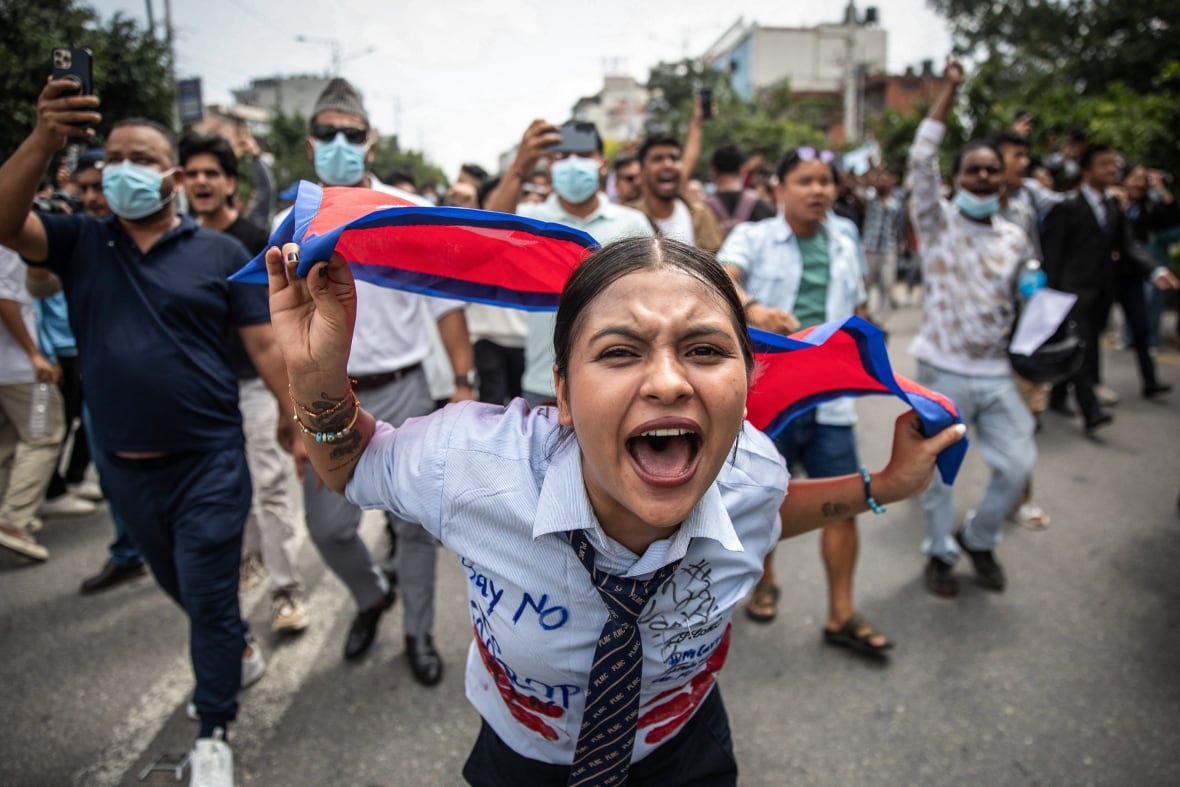
Over the last month, a wave of youth-led protests has hit the streets in Nepal, Morocco and Madagascar, all of them mobilizing support online and driven by frustration against government corruption or incompetence.
The specific demands differ. Morocco’s youth are rallying for social justice reforms and the state of public services as the north African country invests billions of dollars into hosting the 2030 FIFA World Cup.
In Madagascar, protestors on the Indian Ocean island are decrying the failure of the electricity and water supplies.
In Nepal, the anger is over allegations of decades-long corruption and nepotism, prompted by a recent social media ban implemented by the government that was quickly reversed. The prime minister, K.P. Sharma Oli, resigned amid widening criticism of the country’s political elite.
These are some of the most well-known, but other, similar youth-led protests have recently emerged in other countries, including the Philippines, Indonesia, Serbia, Kenya, Paraguay, and Peru.
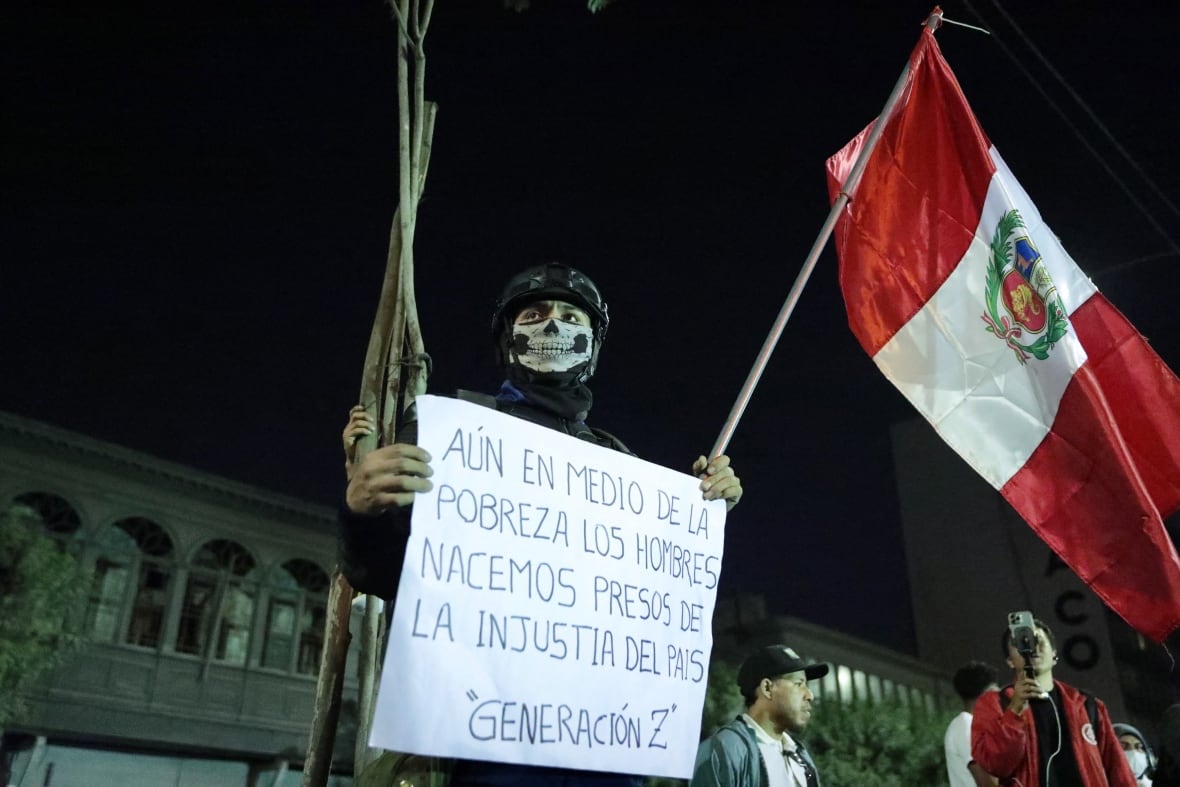
The common thread in all of them is frustration over poor governance, lack of opportunities and rampant inequality, explained Michelle Chen, an assistant professor in communications at Brock University in St. Cataherines, Ont., who studies the impact of social media technologies on social movements.
“In many parts of the world, Gen Z as a cohort is suffering,” Chen told CBC News.
“They are coming of age and graduating into a world with political instability, increased polarization, widening wealth inequality, and a weaker job market. The future can look bleak and hopeless.”
WATCH | Morocco’s youth protests turn deadly:
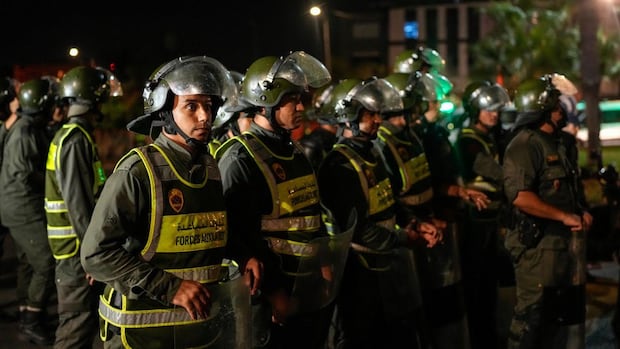
Anti-government youth protests in Morocco turn deadly Two people were killed and others injured when security forces in Morocco opened fire on protesters who where attempting to steal their weapons, local authorities said. The protests, which began Saturday with demands for better education and healthcare, have been organized online by a loosely formed youth group called GenZ 212.
‘Unifying and connecting disparate voices’
Gen Z, defined as those born roughly between 1996 and 2010, is the first generation to grow up entirely in the internet age. Now, as experts have pointed out, they’re using those digital tools to rally behind their causes.
On Friday, Madagascar President Andry Rajoelina said he was ready to find solutions to the problems facing the island nation, but ignored calls for his resignation by the nationwide youth-led protest movement. He disbanded the government late on Monday in an attempt to quell public anger.
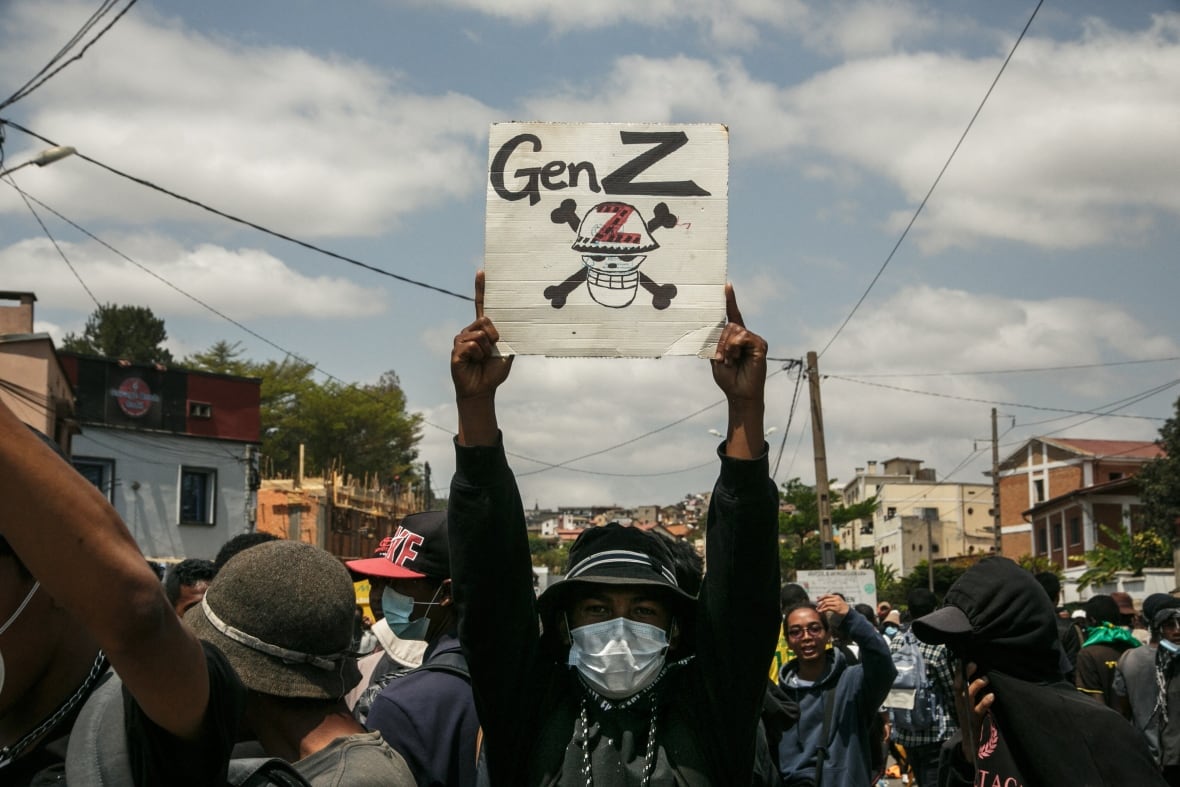
The protests there started on social media under the banner “Gen Z Madagascar,” according to news agency France 24.
On Thursday, Moroccan Prime Minister Aziz Akhannouch said he was open to dialogue to end youth protests in his country as security forces prepared for a sixth night of demonstrations that have escalated into riots across the country.
The protests initially began with demands for better education and healthcare. They have been organized by a loosely formed, anonymous youth group calling itself “GenZ 212” using online platforms such as TikTok, Instagram, and the gaming app Discord.
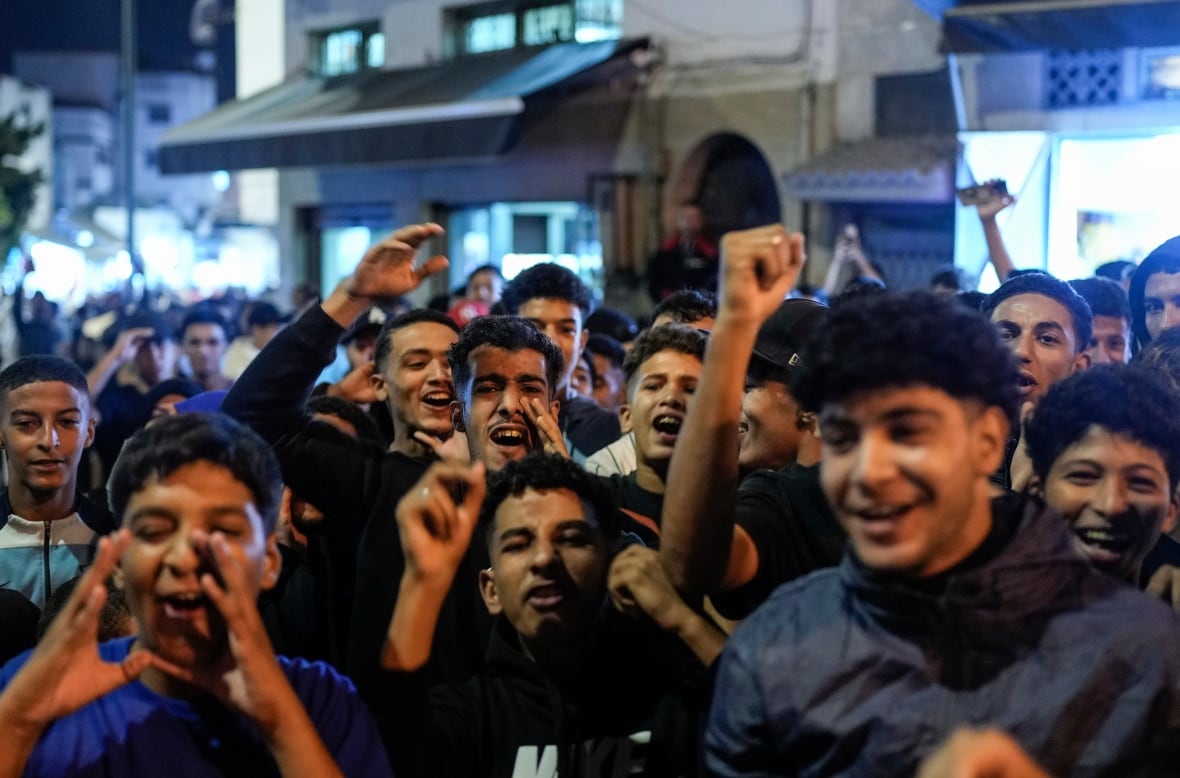
The fact that these movements spread so quickly to other countries show that the public display of protests via social media, particularly of large crowds, can be extremely powerful, Chen said.
“Social media has a way of unifying and connecting disparate voices and experiences, which is important for movement building,” Chen said.
This isn’t the first time the internet has been used to create protest cultures, said MacDonald, pointing to other hashtag movements such as Occupy Wall Street, Idle No More and Black Lives Matter. But while these protests may feel like a recent memory for many observers, for a young Gen Z, they’re historical.
“This their first time utilizing their most intimately recognizable mode of communication to share their politics, but also to decide how to demonstrate and how to come together,” MacDonald said.
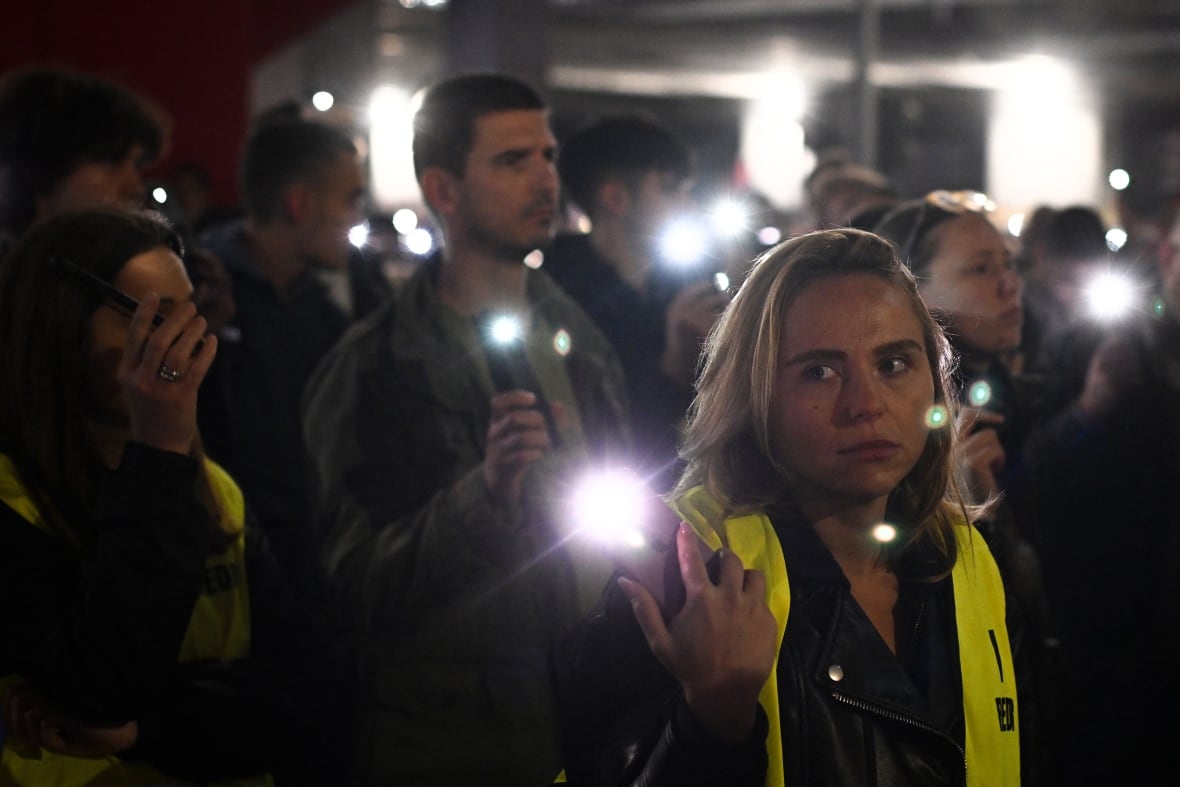
Just the beginning?
While the name “Gen Z protest” might suggest youth-led movements are new, that’s not the case, Chen explained. Many significant protests such as Tiananmen Square, Occupy Wall Street, Arab Spring, and the Umbrella Revolution in Hong Kong have been led by younger people, she said.
But digital technologies have made it faster and easier to mobilize today, she said.
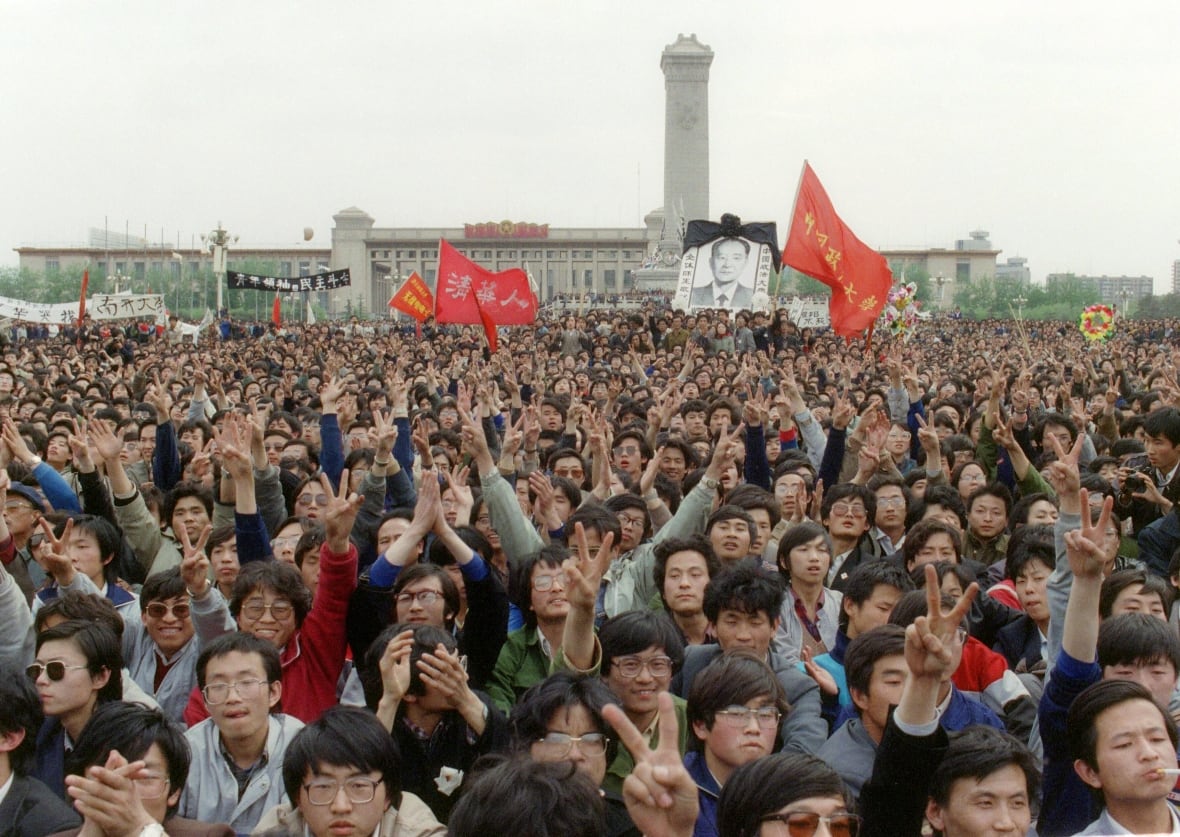
“This may give the impression that Gen Z protest at a higher rate than other generations.”
It also allows people to see their experiences of inequality or injustice as a collective one, Chen explained. And as more young people consume this content, they may start to see protest as an appropriate strategy to voice their frustration with their local government.
MacDonald said that, when we look back, she thinks we could call 2025 “the year of the protest,” too, because it’s possible what we’re seeing now with the Gen Z protests is just the beginning.
“You’re going to see it in the U.S., immediately, I would say.”
“I think that these protests are thoughtful in their approach. And they have models. They have the Arab Spring.”
ABOUT THE AUTHOR
Senior Writer & Editor
Natalie Stechyson has been a writer and editor at CBC News since 2021. She covers stories on social trends, families, gender, human interest, as well as general news. She’s worked as a journalist since 2009, with stints at the Globe and Mail and Postmedia News, among others. Before joining CBC News, she was the parents editor at HuffPost Canada, where she won a silver Canadian Online Publishing Award for her work on pregnancy loss. You can reach her at natalie.stechyson@cbc.ca.he Canadian Broadcasting Company provides more detail:
One comment on “Gen Z Revolutions Across the Globe”
Leave a comment


 Engage!
Pingback: Xavier Naidoo, Gen Z-Proteste, Tomahawks, Migration, Aktivrente, Klimavolksentscheid und Ramstein-Format | Die Wochendämmerung