
Jai Bhim! A Revolution of the Heart
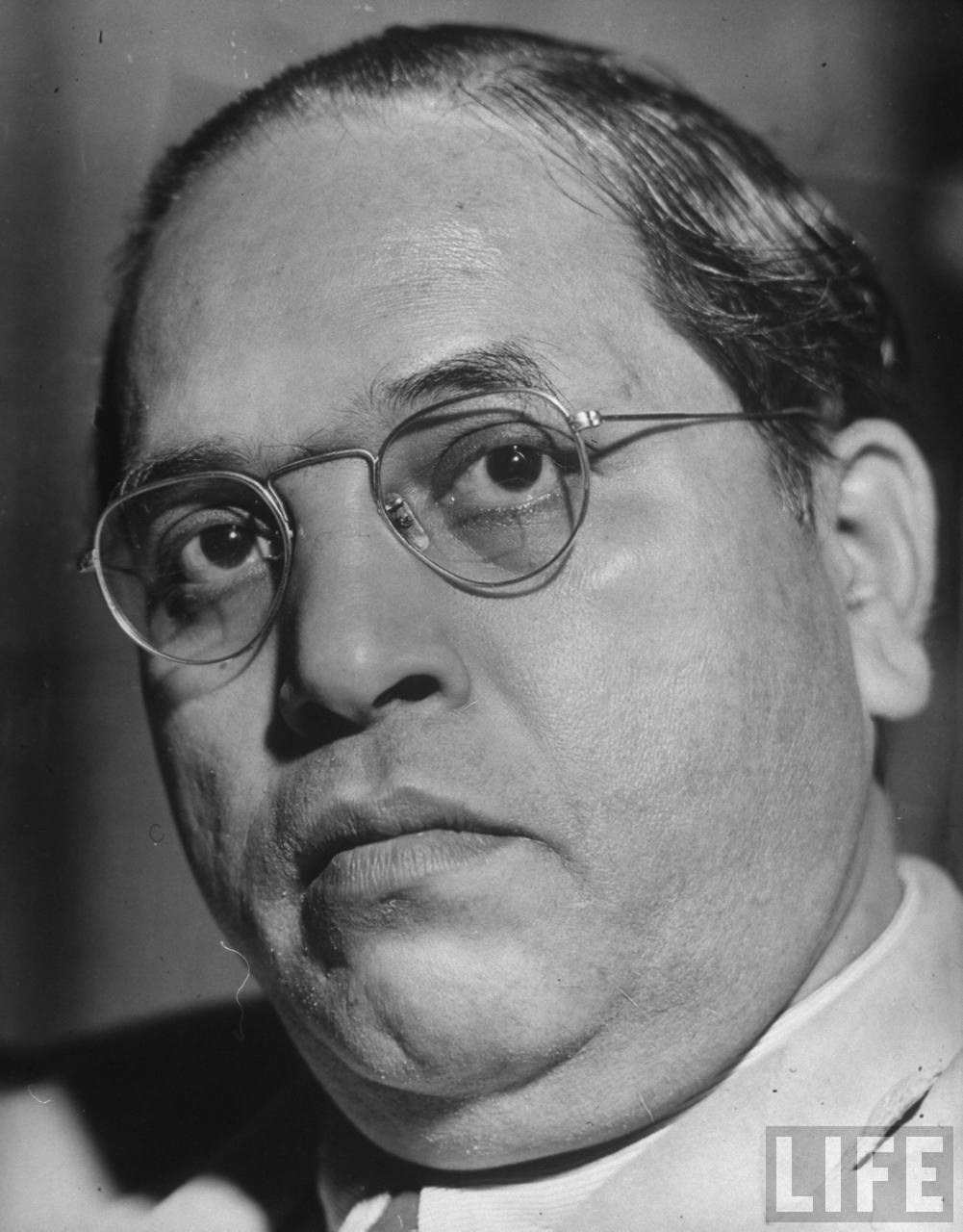 For a couple of months, I have been studying the life of India’s Dr. B. R. Ambedkar. In a recent post, I extolled his achievements as a constitutional lawyer, politician and social reformer, champion and liberator of India’s “untouchables.”
His personal conversion to Buddhism was tied to his larger vision to start a Dhamma Revolution, first to free millions of Dalits (untouchables) from the Hindu caste system by converting them en masse to Buddhism. His greater aspiration was to ignite the rebirth of Indian Buddhism. He believed that a Buddhist social movement would forge a spiritual and social transformation of the nation of India. Babasaheb’s Navayana or “new vehicle” intends both an individual and social transformation.
I have read two of Ambedkar’s books, The Annihilation of Caste, his manifesto against the Hindu caste system, and The Buddha and His Dhamma, Babasaheb’s summation and interpretation of buddhadharma. Ambedkar’s version of the Dhamma is primarily Theravadin but includes the Mahayana ideal of the Bodhisattva, and some Vajrayana teachings
At the core of Navayana is Babasaheb’s contention that the Buddha’s teachings established an ethical way of life, both personal and communal. Ambedkar rejected the notion of karma as rebirth in multiple lives. He interpreted karma as the cause and effect of one’s actions only in this life. Babasaheb believed that a Buddhist social movement would create the spiritual and social conditions conducive to individual liberty, social equality and communal fraternity. Chris Queen gives a summary of Ambedkar’s Dhamma:
His interpretation of the Dhamma proposes that the Path of Purity is the Five Precepts, the Path of Righteousness is the Eightfold Path, and the Path of Virtue is the Ten Paramitas, or perfections. Yet Ambedkar does not present any of these concepts in their traditional format. The goal of the Eightfold Path, for example, is “to remove the injustice and inhumanity that man does to man,” rather than obtain nirvana. (Queen, “Introduction: A New Buddhism”, Journal of Buddhist Ethics, 2000).
I have also investigated what “Ambedkarites” (followers of Ambedkar) espouse as Buddhist practice. The daily practice involves Refuge in the Three Jewels, breathing meditation (shamatha), maitri-bhavana or loving-kindness meditation, and compassion meditation. Alan Senauke (Buddhist Peace Fellowship) characterizes Ambedkarism as “Theravadin practice with Mahayana mind.”
Presently, I have adapted Ambedkarite practice as my own personal practice. In addition to 30 minutes of shamatha meditation daily, I also practice maitri bahavana and compassion meditation. I have found this practice to be personally transformational. My experience of Babasaheb’s Navayana Buddhism has been a revolution of the heart. I have learned that, beyond meditation and mindfulness, kindness is the practice that defines the Buddhist way of life. Meditation and mindfulness are a means to allow one to practice loving-kindness and compassion as way of life.
Ambedkar himself was hardly a model of Buddhist nonviolence. Terry Pilchick (Nagabodhi) writes of Ambedkar:
For all his strengths and virtues, and despite his numerous achievements, Ambedkar’s life was beset by a nagging handicap. He was admired, respected, and considered indispensable even by some of his enemies, but his need to deploy – almost constantly – the qualities of aggression and bullheadedness in his work drove him repeatedly into painful clashes, even with his allies, and distanced him from people. He lamented the habitual scowl that scarred his features – partly physical accident and partly a testament to the battles with which his life was fraught. Sometimes, he would even admit to feeling more at ease in the company of books than with his fellow humans. As a public figure he was worshipped and adored, but as a man, one feels, he lived very much alone. (Pilchick, Jai Bhim!, 1998, p. 82).
This description of Ambedkar’s personality flaws reminds me of myself; I share his bellicose personality. But I have found that his Navayana practice is transforming my manner of interacting with people, softening me, allowing me to replace defensive aggression with kindness; kindness IS the practice.
I have read two books on contemporary Ambedkarite communities and their practices. Heirs to Ambedkar by Alan Senauke of Buddhist Peace Felloship, and Jai Bhim! by Terry Pilchick of Trilokya Bouddha Mahasangha. They both relate the history and current situation of Ambedkarites in India. Estimates are that ninety percent of Buddhists in India are former Dalits and largely followers of Ambedkar. The Ambedkarites of India represent one of the largest Buddhist communities in the world. The largest populations of Ambedkarites are in Ambedkar’s home region of Maharashtra and in the city of Mumbai (Bombay). Buddhist practice among Ambedkarites varies widely, but current practices can include any or all of the following:
Ambedkarite Navayana Practice:
Foundations:
Refuge in the Three Jewels
Renunciation of Vedic religions
Five Precepts
Four Noble Truths
Eight-fold Path
Ten Paramitas
Daily Practice:
breathing meditation (shamatha)
maitri bhavana loving-kindness meditation
compassion meditation: om mani padme hum
chanting the Dhammapalam Gatha and other Pali chants
Compassionate Action:
Dhamma workers: community practice as teachers, cooperatives (right livelihood)
Liberty, Equality, Fraternity; liberation, anti-oppression practice
Educate, Agitate, Organize: community organizing
social development projects
annual retreats
vegetarianism
Dharma Studies:
The Buddha and His Dhamma by Dr. B.R. Ambedkar

 Engage!
Recent Comments